

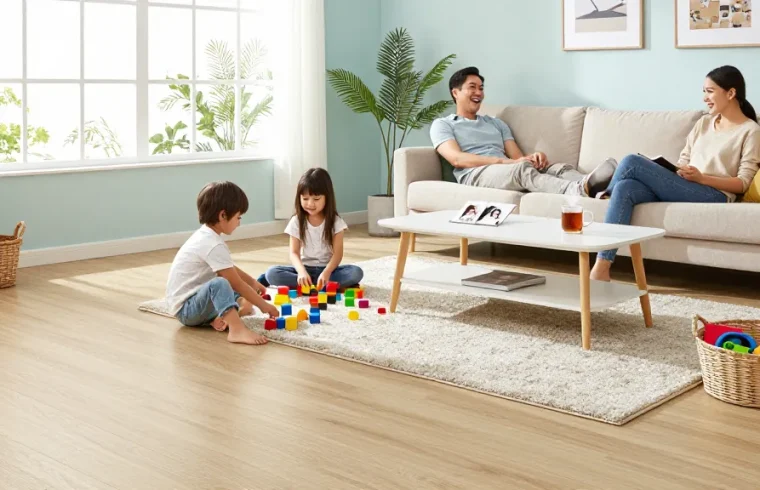
Understanding Durable Flooring for Family Homes
Choosing the right flooring for your home can be a daunting task, especially for families looking for long-lasting and easy-to-maintain options. In the UK market, homeowners frequently face the dilemma of selecting between laminate and engineered wood flooring. Both options boast unique advantages, making them popular choices for family homes. However, understanding what makes flooring truly durable is key to ensuring it meets your family’s lifestyle needs. When exploring options, durable flooring for family homes provides comprehensive insights into these two flooring types.
What is Durable Flooring?
Durable flooring is designed to withstand the wear and tear of everyday life, making it suitable for homes with children and pets. It includes materials that resist scratches, stains, and moisture, ensuring they can maintain their appearance and functionality over time. Laminate and engineered wood are both manufactured with durability in mind, although they differ significantly in their compositions and properties.
Benefits of Durable Flooring for Families
- Scratch Resistance: Durable flooring options typically offer good scratch resistance, making them ideal for households with pets and active children.
- Easy Maintenance: Many durable flooring types are designed for easy cleaning, requiring only simple sweeping and occasional mopping to keep them looking new.
- Cost Effectiveness: Investing in durable flooring can save money in the long run as they often require less frequent replacements compared to less resilient choices.
- Comfort and Safety: High-quality flooring can provide a comfortable surface for children to play on while also offering safety features, such as slip resistance.
Key Features to Look for in Flooring Options
When shopping for durable flooring, consider the following features:
- Material Quality: Look for high-quality materials that can withstand heavy foot traffic.
- Water Resistance: Essential for family homes, especially in areas prone to spills or humidity.
- Warranty: A longer warranty typically indicates greater confidence in the product’s durability.
- Eco-Friendliness: Sustainable options are increasingly available, allowing families to make environmentally conscious choices.
Laminate vs. Engineered Wood: Which is Right for You?
Both laminate and engineered wood have their strengths and weaknesses, making them appealing for different scenarios. Understanding the core differences can help guide your decision.
Core Differences Between Laminate and Engineered Wood
Laminate flooring is constructed from high-density fibreboard with a photographic layer that mimics wood, whereas engineered wood features a veneer of real hardwood adhered to a multilayer plywood core. This fundamental difference affects both their appearance and performance:
- Durability: Laminate is typically more resistant to scratches and dents due to its synthetic nature, making it a practical choice for busy family spaces.
- Authenticity: Engineered wood offers the authentic look and feel of real wood, appealing to those who prefer a high-end aesthetic.
- Moisture Resilience: Laminate generally performs better in damp areas, while engineered wood can be susceptible to warping if not properly maintained.
Advantages of Laminate Flooring in Family Spaces
Laminate flooring is particularly well-suited for family homes due to its affordability and resilience. Here are some advantages:
- Cost-Effective: Laminate tends to be more budget-friendly, making it an attractive option for large areas.
- DIY Installation: Many laminate products feature a click-lock installation system, empowering homeowners to tackle the project themselves.
- Variety of Styles: Available in numerous designs, laminate can mimic various wood species and finishes, providing flexibility in design.
Why Choose Engineered Wood for Lasting Appeal?
For those who value aesthetics and longevity, engineered wood offers significant advantages:
- Real Wood Surface: The top layer is real hardwood, which adds to the beauty and warmth of your home.
- Value Addition: Engineered wood can increase your home’s value due to its premium appeal.
- Sustainability: Many engineered wood products are sourced from sustainable forests, appealing to eco-conscious families.
Choosing the Best Flooring for Kids and Pets
Family flooring has unique demands, especially concerning safety, durability, and maintenance. In this section, we will delve into the key considerations for families with kids and pets.
Safety Features and Non-Toxic Options
When selecting flooring for family homes, safety is paramount. Look for options that are free from harmful chemicals, and consider non-toxic finishes to ensure a safe environment for children and pets. Additionally, cushioned surfaces can help reduce the risk of injuries from falls.
Maintenance Tips for Family-Friendly Flooring
Maintenance is crucial to ensuring your flooring retains its durability and appearance:
- Regular Cleaning: Sweep or vacuum daily to reduce dust and dirt accumulation.
- Spill Management: Clean spills immediately with a damp cloth to prevent staining.
- Periodic Deep Cleaning: Use appropriate cleaners every few months to refresh the flooring’s appearance.
Resistance to Scratches and Stains
Both laminate and engineered wood offer varying levels of resistance to scratches and stains. Laminate’s tougher surface provides a clear advantage in high-traffic areas, while engineered wood’s real wood surface can require more cautious maintenance to prevent damage.
Installation Tips for Homeowners
Proper installation is key in maximizing your flooring’s durability and lifespan. Here are essential tips for homeowners.
Preparing Your Space for Flooring Installation
Ensure your subfloor is clean, dry, and level before starting the installation process. Consider acclimating the flooring to the room’s temperature and humidity levels for at least 48 hours prior to installation to prevent warping or gaps.
DIY vs. Hiring Professionals: Making the Right Choice
Evaluate your skills and the complexity of the flooring installation when deciding between a DIY approach or hiring professionals. If you’re confident in your abilities, laminate flooring is often suitable for self-installation, whereas engineered wood might require expert handling to ensure the best results.
Common Mistakes to Avoid During Installation
- Ignoring Subfloor Preparation: Failing to properly prepare the subfloor can lead to uneven surfaces.
- Not Allowing for Expansion Gaps: Wood naturally expands and contracts; neglecting to leave gaps can cause buckling.
- Poor Adhesive Application: For engineered wood, using the wrong adhesive or insufficient amounts can compromise the bond.
Future Trends in Flooring for Family Homes (2026 and Beyond)
The world of flooring is ever-evolving, especially as technology and sustainability practices advance. Here are some anticipated trends for family homes in the coming years.
Eco-Friendly and Sustainable Flooring Options
More homeowners are gravitating towards eco-friendly materials. Options such as bamboo, cork, and reclaimed wood are becoming increasingly popular, aligning durability with sustainability.
Innovative Technologies in Flooring Materials
Technological advancements are leading to the emergence of resilient flooring that boasts enhanced performance features, such as sound insulation and improved moisture resistance.
Design Trends to Watch in Family-Friendly Spaces
Expect to see a rise in textures and patterns that add character to family spaces. Artistic designs and natural finishes will likely dominate the market, catering to families seeking both comfort and style.
What is the best flooring for high-traffic areas?
For high-traffic areas, laminate tends to outperform engineered wood due to its superior resistance to scratches and dents. However, high-quality engineered wood can still perform well if properly maintained and sealed.
How does laminate flooring compare to hardwood?
Laminate is often a more affordable alternative to hardwood, offering similar aesthetics without the high price tag. However, while laminate is typically more resistant to wear, hardwood provides an unmatched authenticity and can be refinished over time.
Can engineered wood be used in kitchens?
Engineered wood can indeed be used in kitchens if it is adequately sealed and maintained. Ensuring that spills are cleaned promptly can prevent damage and prolong the life of the flooring.
What are the maintenance requirements for laminate flooring?
Laminate flooring requires minimal upkeep. Regular sweeping and damp mopping with appropriate cleaners is usually sufficient, with no need for wax or polish.
How long does laminate flooring typically last?
Quality laminate flooring can last anywhere from 15 to 30 years, depending on the product and maintenance levels. Investing in higher-quality options can lead to increased longevity.
